
REMIT II is raising the bar
REMIT reporting isn’t getting easier. With REMIT II, energy trading companies are dealing with more data, tighter controls, and far less tolerance for errors. And the real issue isn’t submission - it’s the data behind it.
Most reporting failures don’t happen at the point of reporting. They happen earlier, across confirmation, settlement, and reconciliation.
If that data isn’t aligned, validated, and complete, reporting breaks.

What is REMIT and why it matters
REMIT (Regulation on Wholesale Energy Market Integrity and Transparency) requires companies trading electricity or gas in Europe to report their trading activity to regulators.
It exists to prevent market abuse and ensure transparency across wholesale energy markets, with regulators like ACER monitoring reported data.
REMIT II expands these obligations - increasing both the volume of data and the expectations around accuracy.
The growing challenge of regulatory reporting
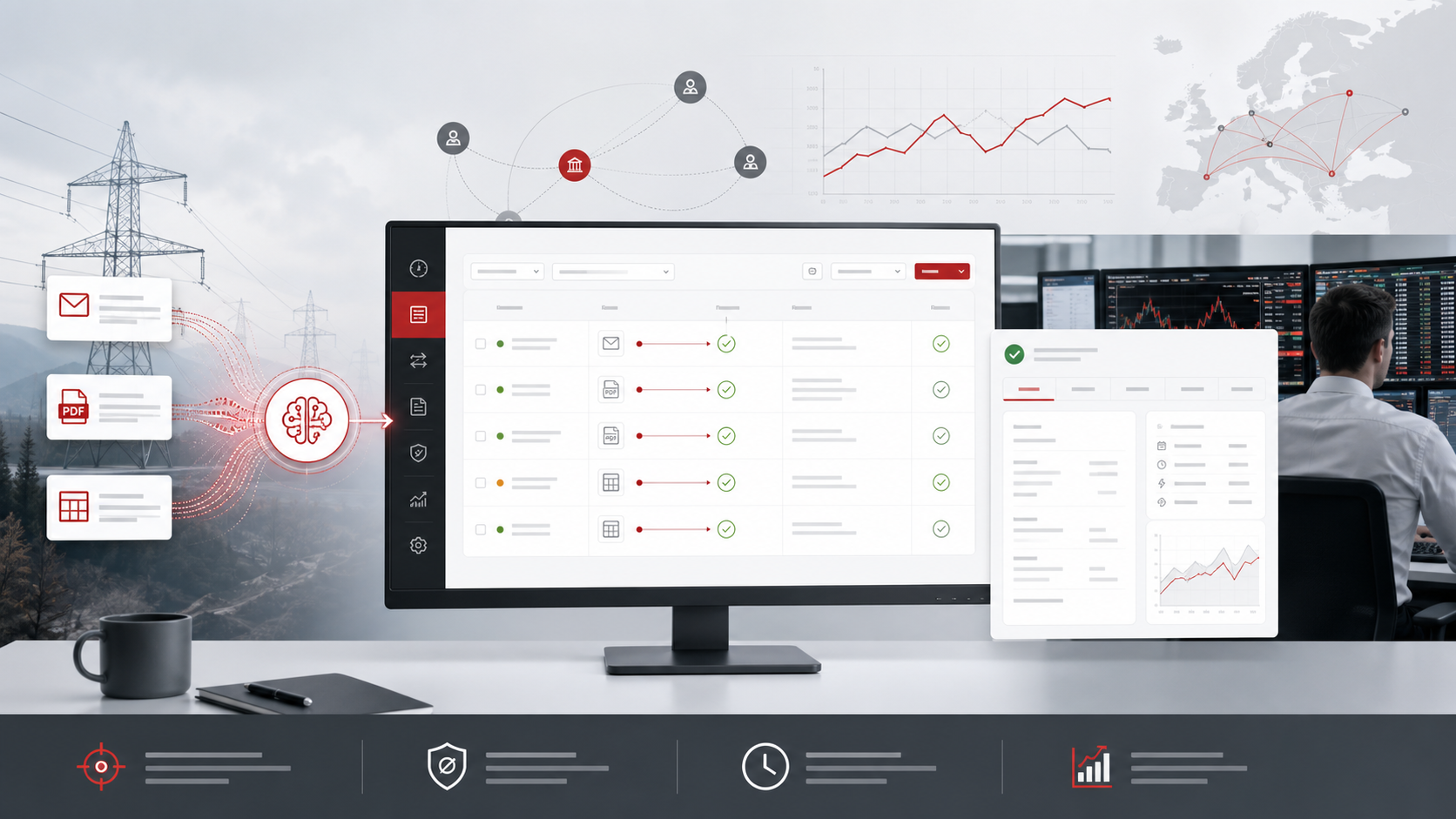
For many organisations, regulatory reporting is not just about submitting data - it’s about ensuring that the data is correct in the first place.
Energy trading operations generate large volumes of data across multiple systems, including:
- Trade capture systems
- Confirmation processes
- Settlement platforms
- Financial and payment workflows.
When these systems are disconnected or rely on manual processes, errors can easily occur. These errors often surface during reporting, leading to rejected submissions, delays, and compliance risks.
What REMIT II changes for energy trading companies
REMIT II increases the scope and depth of reporting obligations. Energy trading companies must:
- Report more detailed transaction data
- Ensure higher levels of data accuracy
- Maintain clear audit trails
- Strengthen data validatoin processes
- Submit reports through a registered RRM to ACER.
As reporting requirements grow, manual processes become harder to manage and more prone to risk.
Why data quality matters more than reporting tools
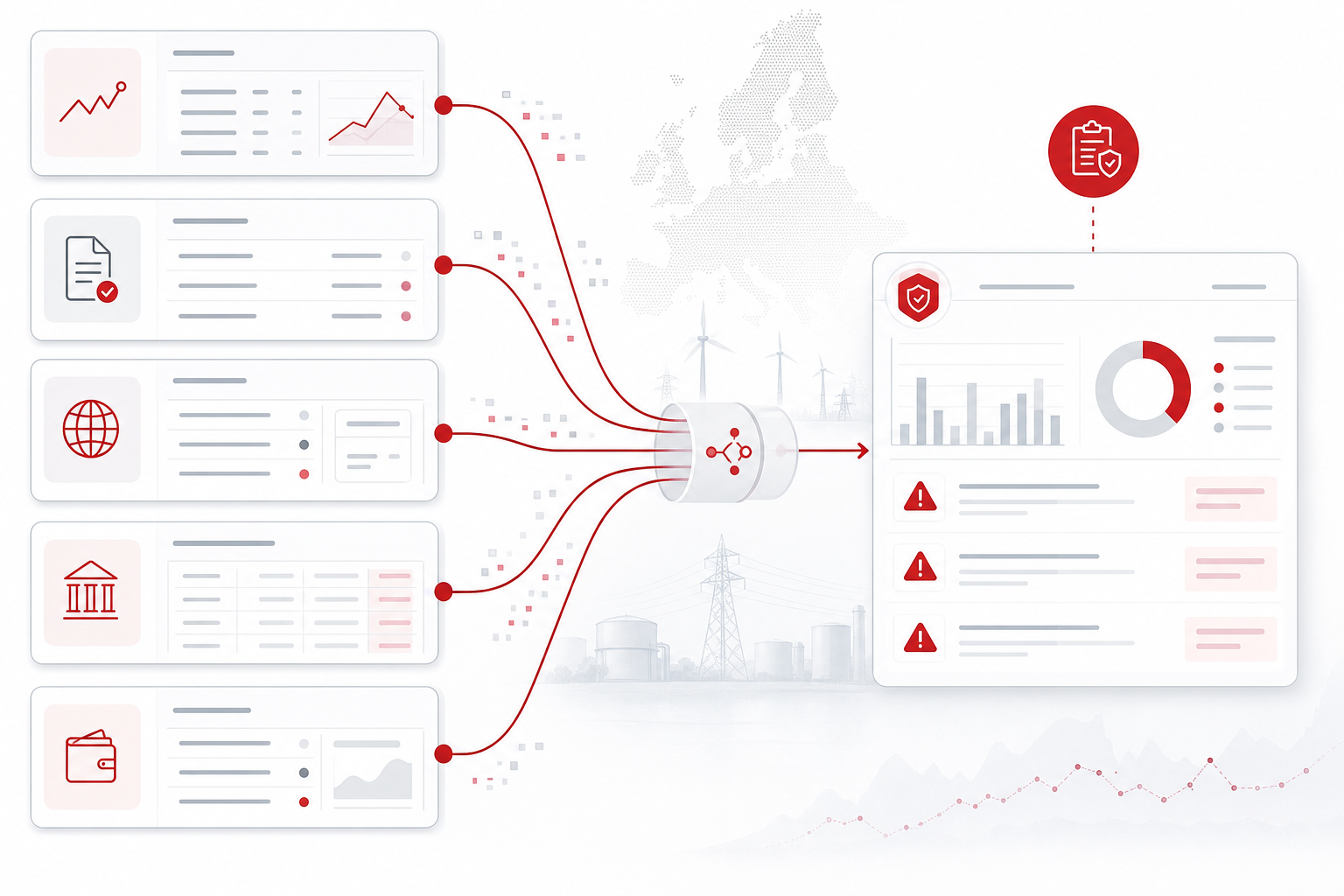
Many traditional REMIT solutions focus only on the final step: sending data to regulators. However, accurate reporting depends on the quality of data throughout the entire post-trade lifecycle.
If trade confirmations are inconsistent, settlements are incorrect, or reconciliation processes are incomplete, reporting outputs will reflect those issues. This is why improving data quality upstream is critical for successful REMIT compliance.
Platforms like Fidectus address this by connecting reporting with post-trade workflows - ensuring that data is validated before it reaches regulators.

Moving toward automated, connected workflows
To meet these challenges, many energy trading companies are shifting toward automation and system integration.
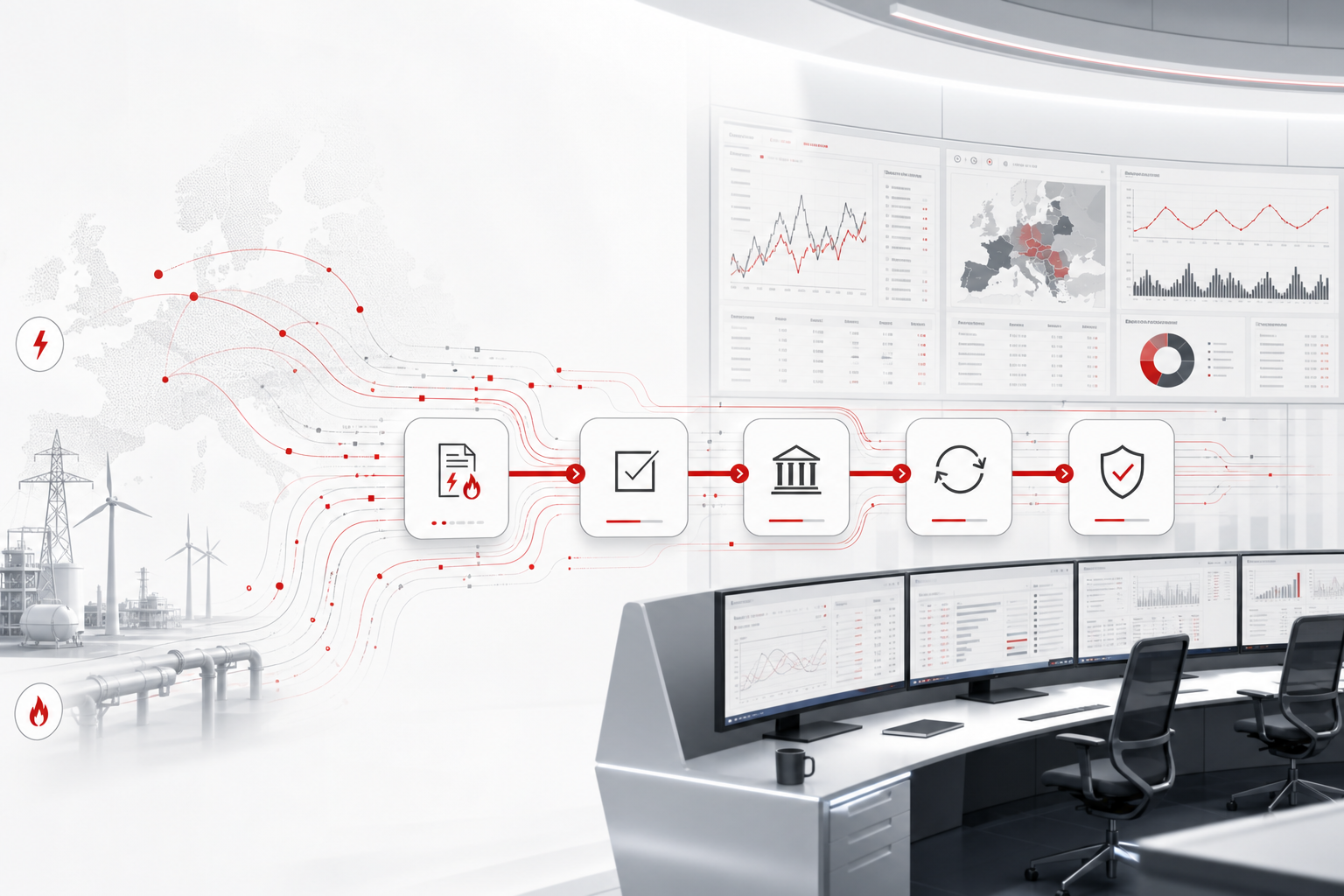
Instead of treating reporting as a standalone task, leading organisations are connecting reporting with core post-trade processes, including:
- Trade confirmation
- Settlement
- Financial reconciliation
- Payment reconciliation.
This approach helps ensure that data is validated and aligned before it reaches the reporting stage.

Supporting the full post-trade lifecycle
REMIT reporting is only one part of a broader set of post-trade activities.
After a trade is executed, energy trading teams must manage:
- Confirmations between counterparties
- Settlement calculations
- Invoice processing
- Reconciliation of financial and payment data.
Errors introduced at any of these stages can impact downstream reporting.
Improving visibility across the full lifecycle helps teams identify and resolve issues earlier, reducing operational risk.
Improving efficiency in invoice and reconciliation processes
Invoice handling and reconciliation are critical components of energy trading operations.
Many organisations still rely on manual processes, which can slow down operations and introduce inconsistencies.
Modern approaches include:
- Electronic invoicing workflows
- Automated invoice matching and reconciliation
- OCR technology to extract invoice data
- Structured exception handling processes.
These improvements help reduce manual effort while increasing data accuracy.

Strengthening data integrity and auditability
As regulatory scrutiny increases, energy trading companies must ensure that their data is both accurate and traceable.
This requires:
- Strong data validation controls
- Clear audit trails
- Consistent data integrity checks
- Transparent workflow across systems and teams.
These capabilities not only support compliance but also make internal processes more reliable and easier to manage.

Moving toward automated, connected workflows
To meet these challenges, many energy trading companies are shifting toward automation and system integration.
Instead of treating reporting as a standalone task, leading organisations are connecting reporting with core post-trade processes, including:
- Trade confirmation
- Settlement
- Financial reconciliation
- Payment reconciliation.
This approach helps ensure that data is validated and aligned before it reaches the reporting stage.
How Fidectus supports REMIT II reporting
Fidectus improves REMIT reporting by focusing on the data behind it - not just the submission.
Unlike traditional solutions that sit at the end of the process, Fidectus connects reporting with confirmation, settlement, invoicing, and reconciliation workflows across the full trade lifecycle.
This ensures that data is aligned and validated upstream, reducing errors, rejected submissions, and compliance risk.
Through its SaaS platform, Fidectus enables teams to:
- Automate REMIT reporting and submission
- Validate and reconcile data before reporting
- Maintain complete audit trails
- Reduce manual back-office workload.
- Integrate with ETRM systems and trading infrastructure.
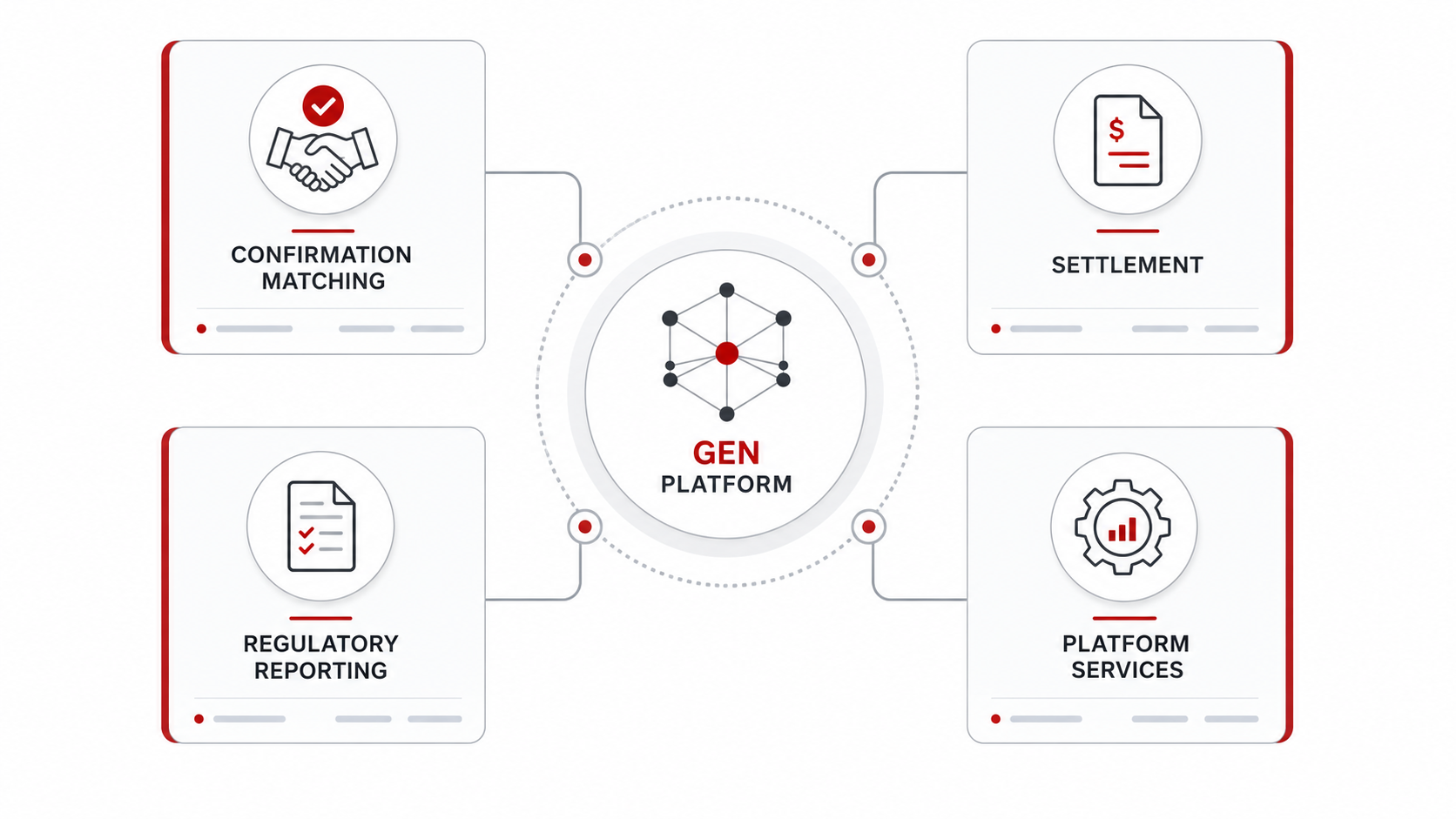
Fidectus also supports broader post-trade operations, including:
- Trade confirmation and matching
- Settlement processes
- Financial and payment reconciliation
- Invoice processing and e-invoicing
- Complex transaction flows such as BATE.
By bringing these processes together, teams gain full visibility across counterparties and transactions, allowing issues to be resolved before they impact reporting.
Learn More
Understanding REMIT II is the first step - improving your processes is the next.
If you’re looking to reduce reporting risk, improve data accuracy, and automate post-trade workflows, Fidectus can help.
